Load Capacity Determines Fundamental Classification
A truck's "scale"-its most intuitive yardstick for classification-is its load capacity. Light-duty models typically weigh in at under 3 tons, making them ideal for urban express delivery; medium-duty models can shoulder 5 to 12 tons, excelling in the transport of construction materials; while heavy-duty models, exceeding 14 tons, serve as the backbone of long-haul logistics. Interestingly, certain specially modified vehicles can push past these conventional load limits-much like a seasoned bodybuilder capable of lifting weights that defy imagination.
Application Scenarios Define Unique Identities
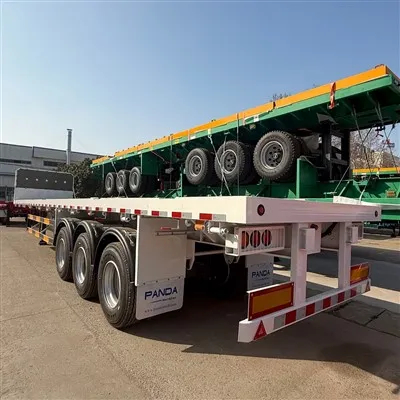
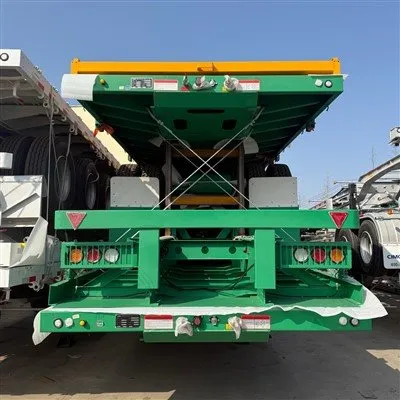
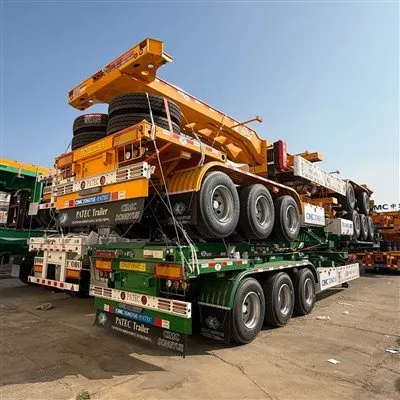
Beyond sheer "strength," a truck's intended application serves as its true defining characteristic. Dump trucks act like industrious groundhogs, specializing in the loading and unloading of sand and gravel; refrigerated trucks function as mobile refrigerators, safeguarding the quality of perishable goods; and flatbed trucks resemble Transformers, capable of adapting to cargo of all shapes and sizes. Specialized vehicles-such as tankers and concrete mixers-take this functional specialization to the extreme, dedicating themselves entirely to a single, specific task.
Power Configuration Reveals Advanced Classification Codes
Engine displacement-the "heartbeat metric" of a vehicle-holds the key to a deeper level of classification. Engines under 3 liters are considered the "economy class," suited for frequent, short-haul transport; the 5-to-8-liter range is a popular sweet spot, striking a balance between power output and fuel efficiency; while large-displacement "monsters" exceeding 10 liters are engineered specifically to withstand the most grueling operating conditions. Amidst the rise of new energy trends, battery capacity in electric trucks is emerging as a new dimension for classification-offering a world of difference between the driving experience of a 100 kWh model and a 300 kWh powerhouse.