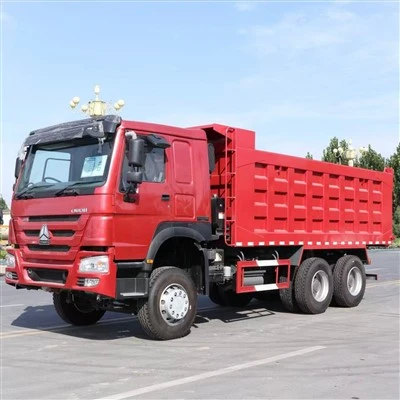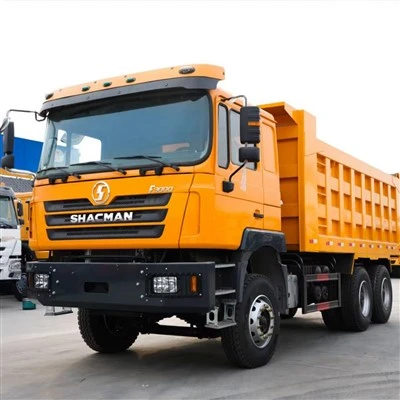
Tires are easy to overlook on a dump truck, but they have a direct effect on operating cost and safety. A truck working on construction sites can wear tires much faster than one running mainly on paved roads.


Check Tire Pressure Regularly
Incorrect tire pressure is one of the simplest problems to prevent.
If pressure is too low, more of the tire touches the road and the sidewalls flex more during operation. This can increase heat buildup and shoulder wear. Excessive pressure can reduce the contact area and may lead to faster wear in the center of the tread.
For heavy trucks, tire pressure should be checked when the tires are cold and adjusted according to the tire manufacturer's recommended range and the actual axle load.
Look at the Wear Pattern
Don't just check how much tread is left.
Uneven wear can provide clues about other problems. Wear concentrated on one shoulder may point to alignment or suspension issues. Irregular wear across the tread can also be related to axle alignment, steering components or incorrect pressure.
If one tire looks noticeably different from the tire on the opposite side, it is worth investigating before simply replacing the tire.
Construction Sites Are Hard on Tires
Dump trucks often encounter rocks, broken concrete, mud and sharp edges.
Driving too quickly over these surfaces increases the chance of cuts and impact damage. Operators should also avoid unnecessary sharp turns when the truck is heavily loaded.
Keeping the work area reasonably clear of large sharp debris can make a noticeable difference to tire life.
Don't Overload the Truck
Overloading affects much more than the engine and frame.
Extra weight increases the load carried by each tire and puts additional stress on the axles, suspension and braking system. It can also increase heat generation in the tires during continuous operation.
The legal axle load and total vehicle weight should always be followed, even when the dump body has enough physical space for more material.
Rotate and Inspect When Necessary
For trucks that regularly operate on paved roads, checking tire wear at regular service intervals can help identify problems early.
Inspect the tread, sidewalls, valve stems and wheel condition. If a tire has deep cuts, exposed cords, serious bulging or other structural damage, it should not simply be kept in service because it still has visible tread.
A Simple Rule for Fleet Operators
A few minutes of tire inspection can prevent a much more expensive problem later.
For a working dump truck, pay attention to pressure, tread wear, sidewall damage, axle alignment and actual loading weight. Keeping these points under control can help extend tire life and reduce unexpected downtime.