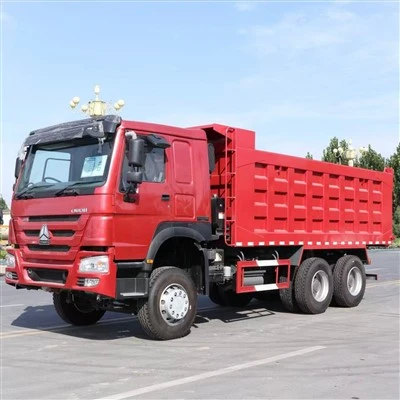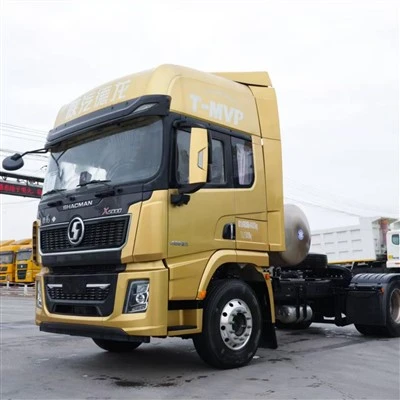
Regular and comprehensive inspection and maintenance of a tractor unit are crucial for ensuring its safe operation. Neglecting routine checks of critical components can lead to safety hazards; for instance, a leaking fuel tank could trigger a multi-vehicle rear-end collision.
Inspection and Maintenance of Single-Axle Fifth Wheels
1. During routine maintenance, inspect all components of the fifth wheel-paying particular attention to wear on the kingpin, kingpin plate, and transverse shaft-and lubricate these areas. Tighten the mounting bolts for the support base, replacing them if necessary. Adjust the clearance between the locking hook and the kingpin; this is achieved by manipulating the adjustment screw, which must then be secured in place using the locknut once the adjustment is complete.
2. When disassembling the fifth wheel for inspection, check the unit itself for cracks or severe wear. If cracks are present, or if severe wear has caused deformation or excessive thinning of the fifth wheel body, the unit must be replaced with a new one. Inspect the locking aperture (throat) by using a kingpin to check for proper fit; if excessive wear has resulted in an unacceptably large clearance, the aperture can be repaired by weld-overlaying and machining it back to the required dimensions, or by replacing the locking hook, locking block, and wear ring. Check the fit between the support base and the main body; if the connection is loose, replace the rubber bushings. Inspect the locking mechanism to ensure that coupling and uncoupling operations are smooth and decisive, and that the safety latch is secure and reliable. If any anomalies are detected, inspect the tension springs for both the locking hook and the release handle; if the spring tension has weakened, replace the springs with new ones.
Inspection and Maintenance of Double-Axle Fifth Wheels
In addition to performing the same inspection and maintenance tasks required for single-axle fifth wheels, the following specific points must be addressed when servicing a double-axle fifth wheel:
1. Inspect the integral transverse and longitudinal shafts. If deformation or severe wear is evident, repair the shafts by weld-overlaying and machining them back to the required dimensions, or replace them with new parts. Ensure that the fifth wheel is capable of free and flexible lateral and longitudinal oscillation, and verify that the clearances meet standard specifications.
2. Inspect the lateral oscillation angle and the cushioning devices located on both sides. If the lateral oscillation angle is excessive, adjust it using the wedge blocks positioned on either side. If the cushioning springs or rubber blocks show signs of aging or deterioration, replace them with new components.