Engine
The engine is the core component of a truck-much like the human heart-providing the vehicle with power. Currently, truck engines primarily fall into two categories: diesel engines and gasoline engines. Among these, diesel engines are widely utilized in heavy-duty trucks and most medium-duty trucks due to their higher thermal efficiency, robust torque output, and superior fuel economy; gasoline engines are relatively less common, finding their primary application in certain light-duty trucks. By combusting fuel, the engine converts chemical energy into mechanical energy, thereby propelling the vehicle forward.
Transmission System and Drive Axle
The function of the transmission system is to transmit the power generated by the engine to the drive axle, which in turn drives the wheels to rotate. It primarily comprises components such as the clutch, transmission, and driveshaft. The clutch serves to engage or disengage the power flow between the engine and the transmission, facilitating vehicle starting, gear shifting, and stopping; the transmission utilizes various gear combinations to achieve different gear ratios, thereby satisfying the vehicle's requirements for speed and torque under diverse driving conditions; the driveshaft is responsible for conveying the power output from the transmission to the drive axle. The drive axle constitutes the final link in the truck's powertrain; it distributes the power transmitted from the driveshaft-via components such as the final drive and differential-to the left and right wheels, enabling them to rotate and propel the vehicle forward.
Steering System and Non-Driving Axle
The steering system enables the driver to control the vehicle's direction of travel. Common steering systems include mechanical steering systems and power steering systems. A mechanical steering system executes steering maneuvers through mechanical components such as the steering wheel, steering gear, and tie rods; a power steering system builds upon the mechanical system by incorporating a power-assist mechanism-such as hydraulic or electric assistance-making steering easier and less physically demanding for the driver. The non-driving axle is situated at the non-driven end of the vehicle; its primary functions are to support the vehicle body and bear a portion of the load, while also allowing its wheels to follow the steering axle's wheels to execute corresponding turning movements during steering maneuvers.
Braking System
The braking system is a critical system for ensuring the safety of truck operations, enabling the vehicle to decelerate or come to a complete stop. The braking system primarily consists of the service brake (foot brake) and the parking brake (handbrake). The service braking system typically employs hydraulic or pneumatic mechanisms; it generates braking force through the friction between brake pads and brake discs (or drums), thereby decelerating the wheels. The parking braking system, conversely, is designed to prevent the vehicle from rolling after it has come to a stop and usually utilizes a mechanical braking method. Furthermore, some trucks are equipped with auxiliary braking devices-such as engine brakes and retarders-to enhance braking safety during specific operating conditions, such as long downhill descents.
Electrical Equipment
The electrical system provides the truck with various essential power supplies, including the battery, alternator, lighting system, signaling system, and instrumentation system. The battery serves to store electrical energy, powering the vehicle's starting and ignition systems, as well as supplying electricity to certain electrical components when the engine is not running. The alternator, meanwhile, converts mechanical energy into electrical energy while the engine is operating, thereby recharging the battery and providing power to the vehicle's electrical devices. The lighting system-comprising headlights, taillights, turn signals, fog lights, and similar components-ensures safe driving during nighttime hours or under adverse weather conditions. The signaling system is used to communicate the vehicle's intended actions to other road users, utilizing devices such as brake lights and clearance lights. Finally, the instrumentation system displays various real-time operating parameters-such as vehicle speed, engine RPM, fuel level, and coolant temperature-enabling the driver to monitor the vehicle's operational status with ease.
Vehicle Body
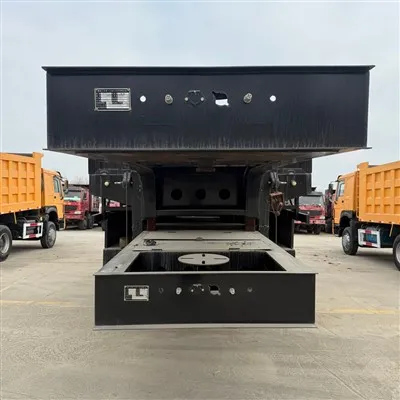
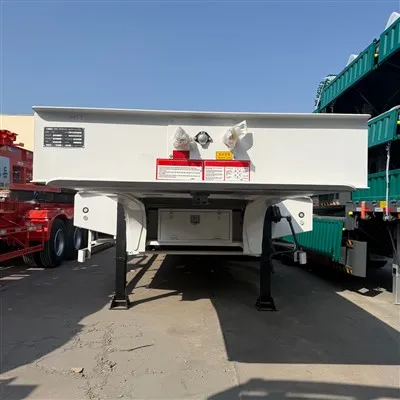
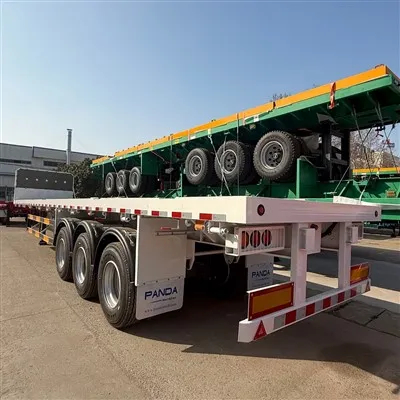
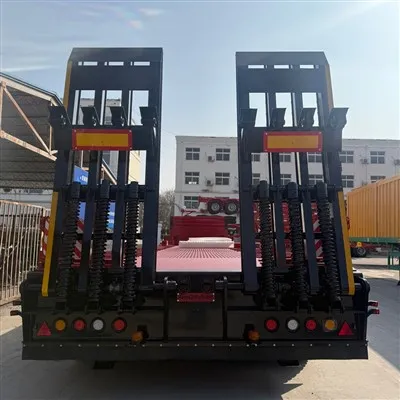
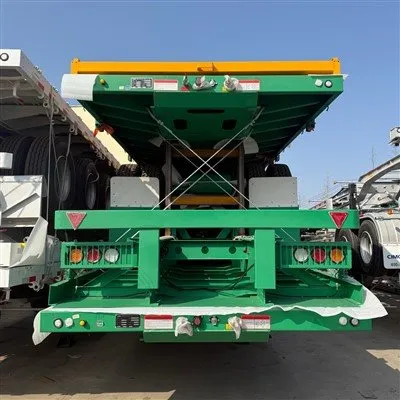
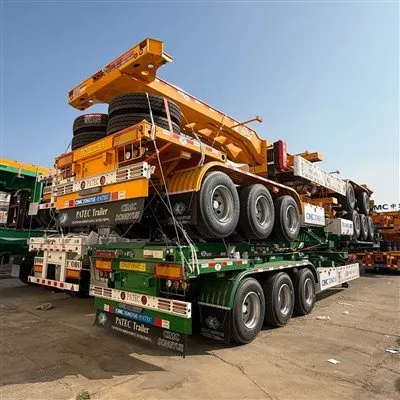
The vehicle body constitutes the primary structural framework of the truck, serving to support both the cargo and the various vehicle components. The body is principally composed of two main parts: the chassis frame and the cargo compartment. The chassis frame acts as the vehicle's skeletal structure; it bears the entirety of the vehicle's load-including the weight of the cargo-and distributes this load to the wheels and suspension system. The cargo compartment, depending on the specific application and vehicle model, is categorized into various types-such as flatbed/stake-side bodies, enclosed box bodies, and dump bodies-each designed for the specific purpose of carrying cargo.
Specialized Equipment
Certain specialized trucks are additionally outfitted with specific, purpose-built equipment. For instance, refrigerated trucks feature refrigeration units designed to maintain a low-temperature environment within the cargo compartment. Tank trucks are equipped with devices such as pumps and breather valves to facilitate the loading, unloading, and storage of liquid cargo. Fire trucks, for their part, are fitted with specialized apparatus-including fire pumps, water cannons, and aerial ladders-to execute firefighting and rescue operations. These specialized devices are the key to enabling specialized cargo trucks to fulfill their specific functions.