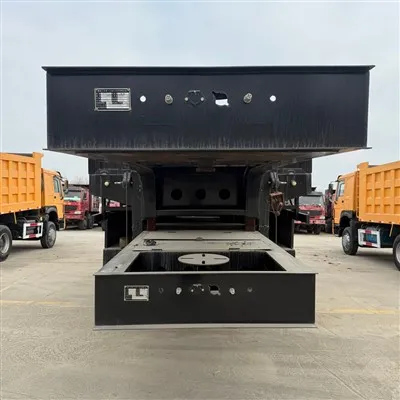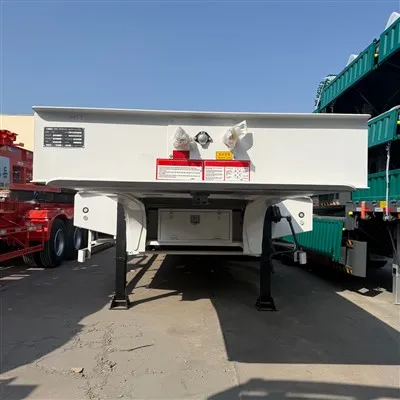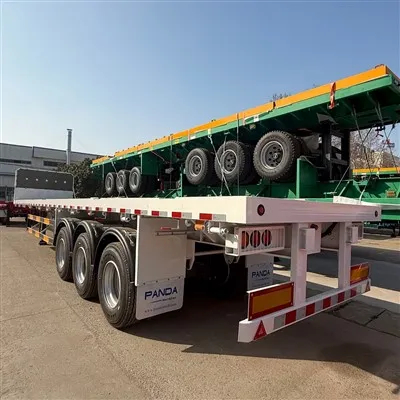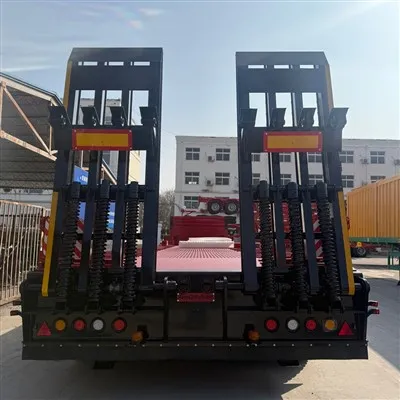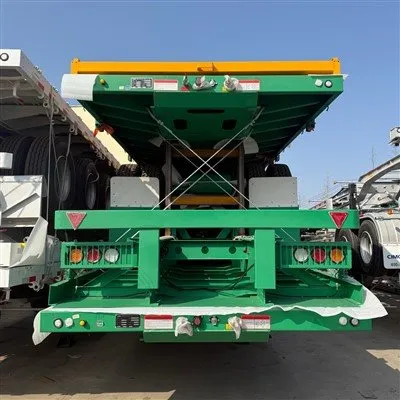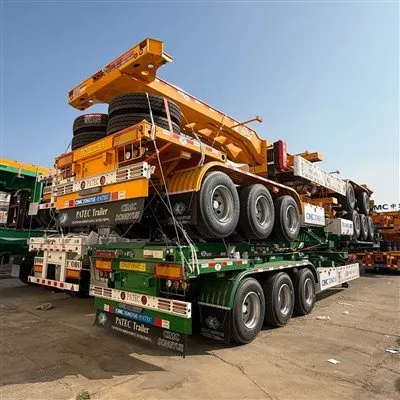
There are three reasons why the license plates on the front and rear of a trailer differ: First, to facilitate vehicle management; second, because relying on a single license plate number would result in the rear plate being obscured-an act considered a traffic violation; and third, because a trailer can be towed by various different tractor units. In our daily lives, observant individuals who spot a trailer on the road will notice that the license plates at the front and rear are not the same. In contrast, the small passenger cars or large trucks we typically encounter on a daily basis feature identical license plates at both ends. It is rare to see a vehicle configuration where the front and rear license plate numbers differ in this manner. So, what exactly is the reason for this? The explanation is actually quite simple, stemming primarily from the three reasons mentioned above:
First: To facilitate vehicle management. Both the tractor unit (the vehicle at the front) and the trailer (the unit at the rear) are classified as distinct vehicles; they possess separate certificates of conformity and require separate vehicle registrations. Furthermore, the insurance policies purchased for each are distinct. In essence, the tractor unit and the trailer body can be regarded as two entirely separate vehicles: the tractor unit can tow various different trailers, while a single trailer can, in turn, be towed by various different tractor units. Consequently, the license plate numbers for the tractor unit and the trailer are not identical.
The Independent Trailer Body
Second: If only a single license plate number were used, the rear license plate would effectively be obscured-an act constituting a traffic violation. Since the tractor unit and the trailer body are detachable components, using a single shared license plate number would create complications if the two units were to be transported separately; specifically, the same license plate number would appear simultaneously in two different locations, causing undue administrative difficulties for traffic management authorities. Moreover, if the rear license plate is not visible, it is classified as the deliberate obstruction of a license plate-an offense that could lead to extremely serious consequences in the event of a hit-and-run accident.
Third: A trailer can be towed by various different tractor units. The vehicle positioned in front of the trailer is known as the tractor unit, and each tractor unit possesses its own unique license plate. Consequently, different tractor units can be used to tow the very same trailer (or trailer body). Therefore, the trailer requires its own independent license plate, as it is recognized as a distinct, standalone vehicle. If a single shared license plate number were utilized, any traffic violation records generated after the tractor unit and trailer had separated would result in inaccurate location data regarding the offending vehicle.
Trailer Violation Detection
Observant vehicle owners may have already noticed that, in everyday life, the license plates on passenger cars-as well as those displayed on the front of trailers-typically consist of five characters. In contrast, the license plates found on the rear of semi-trailers feature a four-digit sequence. This specific format begins with the Chinese character abbreviation for the respective province (e.g., "沪" for Shanghai), followed by an English letter designating the specific county or district, and then the four-digit serial number; the plate concludes with the character "hang" (meaning "trailer"). This particular arrangement is primarily designed to facilitate administrative management by traffic authorities, while also optimizing the efficiency of automated enforcement cameras.