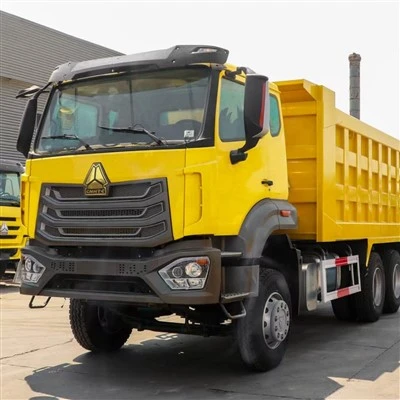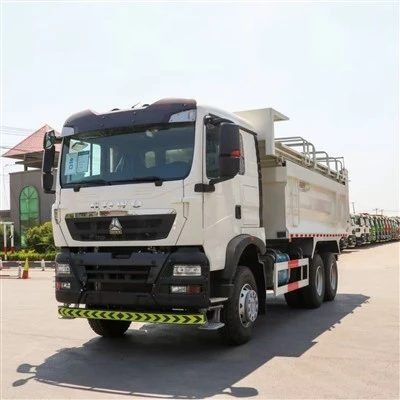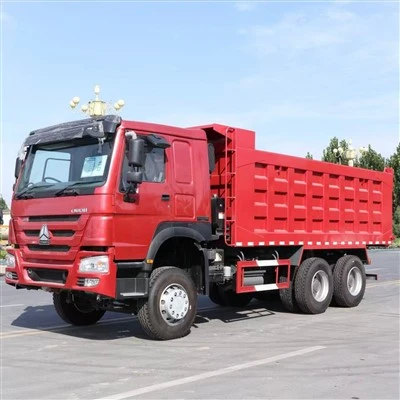
How Traction Force Is Generated
Motor vehicle towing is akin to two dancers performing a tango together: the towing vehicle (prime mover) transmits power to the towed vehicle (trailer) via a rigid tow bar or a flexible tow rope. The torque output by the engine is amplified by the transmission system and then-through specialized devices such as tow hooks or fifth-wheel hitches-converted into a horizontal pulling force that propels the trailing vehicle. Interestingly, while a tractor towing farm implements can achieve a power transmission efficiency of up to 70%, a semi-truck towing a shipping container loses approximately 15% of its power due to aerodynamic drag.
Three Common Towing Scenarios
Recovery Towing: Tow trucks use steel cables to haul disabled vehicles; speeds must be restricted to within 30 km/h.
Freight Towing: Semi-trailers connect via a fifth-wheel hitch and are capable of carrying cargo loads of up to 40 tons.
Specialized Towing: Aircraft tugs feature a low-profile design, enabling them to precisely maneuver passenger jets weighing up to 200 tons.
The Ingenuity of Safety Design
Modern towing equipment incorporates a host of sophisticated technologies: hydraulic dampers absorb the shock of sudden jerks-much like the load-limiting mechanisms found in automotive seatbelts; electromagnetic braking systems automatically engage if the connection is severed, preventing the trailer from rolling away; and arrays of LED clearance lights create a luminous outline at night, allowing following vehicles to clearly gauge the overall length of the towing combination. These design features ensure that towing operations are both powerful and safe.