The current classification standards for construction machinery in our country categorize it into 14 major types, each comprising various mechanical products with specific functions and applications:
Excavating Machinery
Primarily used for excavating materials such as soil and ore. This category includes single-bucket excavators (which can be further subdivided into crawler excavators and wheeled excavators based on their locomotion systems); multi-bucket excavators (classified by bucket configuration into bucket-wheel excavators and bucket-chain excavators); backhoe loaders (which combine both excavating and loading capabilities); and tunnel boring machines (such as shield machines, specifically designed for tunnel excavation projects, capable of operating under complex geological conditions, and characterized by high efficiency and safety), among others. These excavating machines are adaptable to diverse working conditions and operational requirements, playing a pivotal role in applications ranging from mining operations to earthmoving tasks in infrastructure construction projects.
Lifting Machinery
Primarily tasked with hoisting heavy loads. This category encompasses tower cranes (commonly used on construction sites for vertical transport and material handling, characterized by high lifting heights and extensive working radii); truck cranes (highly mobile, capable of rapid relocation to different job sites); wheeled cranes (combining the flexible mobility of wheeled vehicles with substantial lifting capacities); crawler cranes (demonstrating exceptional performance in complex terrain and heavy-duty lifting operations); mast cranes (suitable for specific applications, such as the installation of large-scale equipment); cable cranes (frequently used for lifting operations spanning large distances, such as in bridge construction); grab cranes (specifically designed for handling bulk materials); pipe layers (used in pipeline laying and installation projects); hoists (capable of vertically or horizontally pulling heavy loads); and construction elevators (providing vertical transport services for construction personnel and materials), among others.
Earthmoving and Transport Machinery
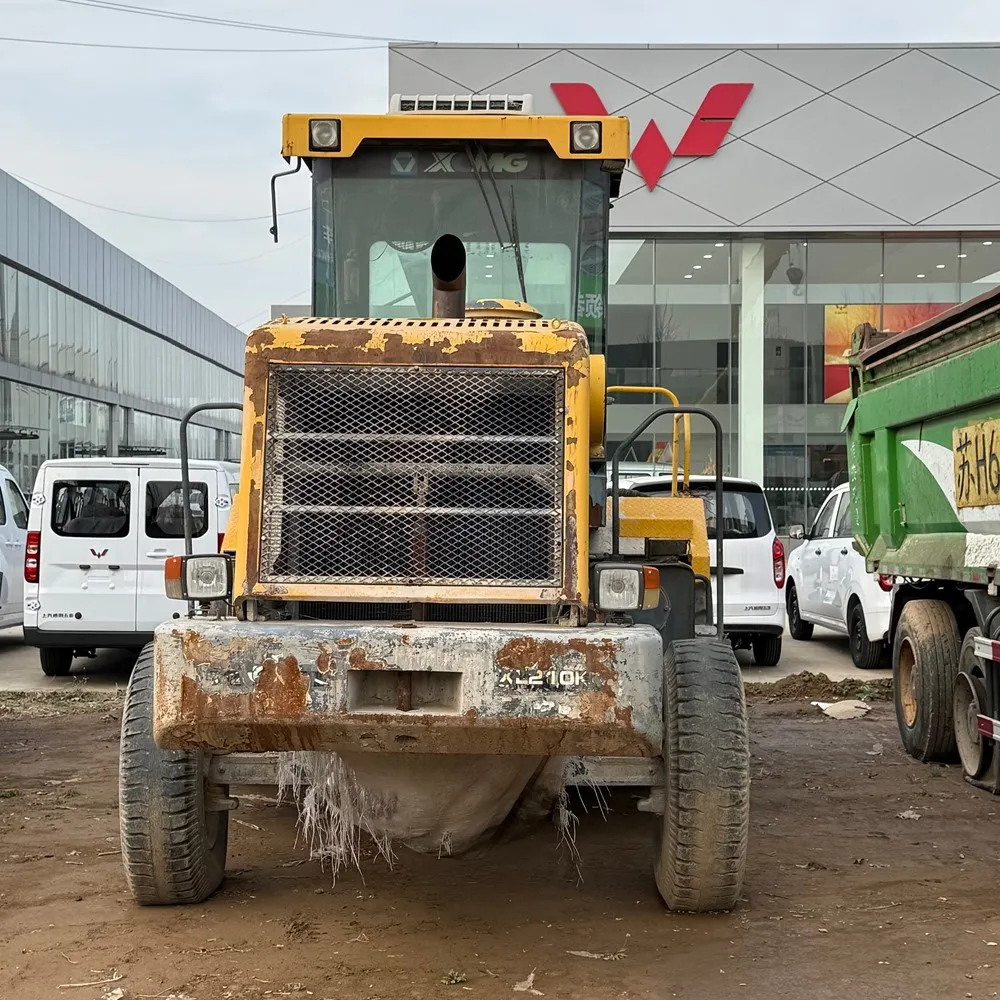
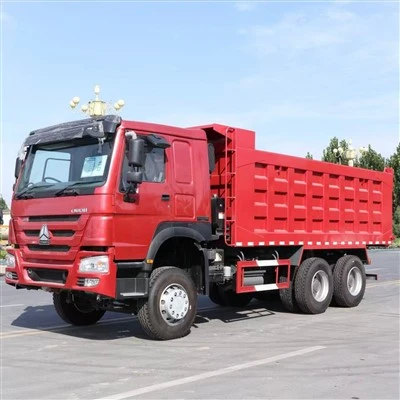
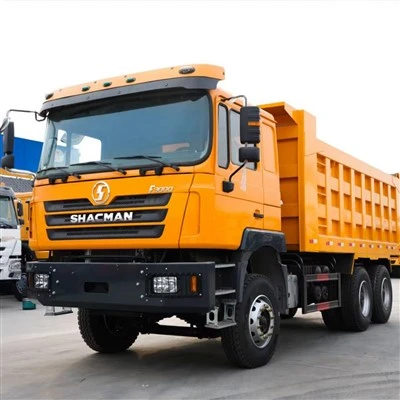
This category of machinery is primarily used for excavating, hauling, and transporting materials such as soil, sand, and gravel. It includes bulldozers (classified into wheeled and tracked types, used for site leveling and short-distance earthmoving); scrapers (classified into tracked self-propelled, wheeled self-propelled, and towed types, capable of long-distance earthmoving and hauling); loaders (including wheeled and tracked types, designed for rapid material loading); graders (self-propelled and towed types used for site leveling, roadbed construction, etc.); transport vehicles (single-axle and dual-axle towed transporters used for material transfer); flatbed trailers (used for transporting large-scale equipment or structural components); and dump trucks (facilitating the convenient and rapid transport and unloading of materials), among others.
Compaction Machinery
The function of this machinery is to compact soil, road surfaces, and similar substrates to enhance foundation stability and load-bearing capacity. It includes static rollers (which compact surfaces through their own weight); vibratory rollers (which utilize vibration to enhance compaction efficiency); pneumatic-tired rollers (where the elasticity of the tires ensures more uniform compaction); and tampers (suitable for compaction operations in small or confined areas), among others. Different types of compaction machinery are suited to specific compaction conditions and materials, finding extensive application in engineering projects such as road construction and airport runway paving.
Piling Machinery
This machinery is primarily utilized in the construction of various types of pile foundations. It includes diesel pile hammers (which drive piles using energy generated by the combustion of diesel fuel); diesel piling frames (which provide structural support and guidance for the pile hammer); vibratory pile hammers (which employ vibration principles for both driving and extracting piles); vibratory piling frames (designed to work in conjunction with vibratory pile hammers); static pile drivers (which press piles into the ground using static pressure); and drilling rigs (used for creating boreholes for cast-in-place piles and similar foundations, allowing for the selection of appropriate drilling methods and bits based on specific geological conditions), among others. Piling machinery plays a pivotal role in the foundation construction of various engineering projects-such as buildings, bridges, and ports-ensuring the quality and stability of the pile foundations.
Reinforcement and Prestressing Machinery
This category encompasses the strengthening, processing, and prestressing treatment of steel reinforcement bars. It includes reinforcement strengthening machinery (such as cold-drawing machines, which enhance the tensile strength and toughness of steel bars); processing machinery (such as cutting and bending machines, used to shape steel bars into the required forms and dimensions); welding machinery (such as electric welders, used to join steel bars); and prestressing processing machinery and equipment (used for operations such as the tensioning and anchoring of prestressing tendons in prestressed concrete structures, thereby increasing the load-bearing capacity and crack resistance of the concrete). These machines are indispensable in reinforced concrete construction projects, serving to guarantee the structural integrity and durability of the finished works.
Concrete Machinery
Primarily utilized in the preparation, transportation, and pouring stages of concrete construction, this category includes concrete mixers (which blend raw materials-such as cement, aggregates, and water-into concrete); mixing towers (large-scale concrete production facilities characterized by high levels of automation and production efficiency); mixing stations (which can be flexibly configured to produce concrete of various specifications according to project requirements); transit mixers (trucks that transport mixed concrete to the construction site while maintaining its uniformity during transit); concrete pumps (which convey concrete over long distances and lift it to elevated heights, making them suitable for high-rise building construction); shotcrete machines (used for spraying concrete in applications such as tunnel lining and slope stabilization); concrete pavers/placers (which precisely control the volume and placement of poured concrete); and concrete vibrators (which compact the concrete through vibration, thereby enhancing its strength and impermeability). (VIII) Paving Machinery
Specifically designed for road pavement construction, maintenance, and repair operations, this category includes asphalt sprayers (used for spraying asphalt during paving to ensure uniform distribution), asphalt concrete pavers (which evenly spread asphalt concrete over the road base to form a smooth pavement structure), concrete pavers (used for laying cement concrete pavements), concrete vibrators (used to compact freshly laid concrete, eliminating air bubbles and increasing density), road scarifiers (used to loosen old pavement surfaces in preparation for resurfacing or repair), soil mixers (used to blend different soil types-or soil with additives-to improve soil properties), aggregate pavers (used to lay aggregate base or surface layers), and chip spreaders (used to distribute stone chips and similar materials during paving operations), among others. The efficient operation of paving machinery is a critical factor in ensuring both the quality and the service life of roadways.
Interior and Exterior Finishing Machinery
Primarily utilized in building finishing and renovation projects, this category includes mortar preparation and spraying equipment (such as mortar mixers and sprayers, used to prepare and apply various mortar materials for tasks like wall plastering and floor leveling), floor finishing machinery (such as floor grinders and polishers, used for leveling, grinding, and polishing floor surfaces), finishing work platforms and suspended cradles (which provide safe elevated platforms for workers, facilitating tasks such as exterior wall finishing), and handheld power tools (such as electric drills, rotary hammers, and power saws, used for smaller-scale finishing tasks like drilling, cutting, and fastening), among others. These finishing machines enhance the efficiency and quality of renovation projects, resulting in interior and exterior finishes that are both aesthetically pleasing and durable. (X) Rock Drilling Machinery and Pneumatic Tools
Primarily used for operations such as rock drilling and breaking, this category includes various rock drills (e.g., pneumatic rock drills, powered by compressed air and characterized by simple structure and ease of use; electric rock drills, powered by electricity and suitable for locations with a power supply; internal combustion rock drills, featuring a self-contained power source and capable of operating in environments lacking electricity or compressed air; and down-the-hole [DTH] drills, suitable for medium-to-deep hole drilling operations), rock drilling jumbos (which can mount multiple rock drills simultaneously to boost drilling efficiency, commonly used in large-scale mining and tunneling projects), and pneumatic tools (such as pneumatic wrenches, pneumatic screwdrivers, etc., driven by compressed air and widely utilized in assembly, maintenance, and similar operations). Rock drilling machinery and pneumatic tools are indispensable in engineering projects such as mining and tunnel excavation; they effectively break down rock formations, thereby creating the necessary conditions for subsequent construction phases.
Forklifts
Primarily used for the handling and loading/unloading of goods, this category encompasses various types of forklifts (e.g., counterbalance forklifts, which are widely used and capable of operating in diverse indoor and outdoor settings; reach trucks, suitable for handling goods within narrow aisles; and side loaders, capable of transporting long-shaped loads) as well as associated handling machinery (such as pallet jacks, stackers, etc., which can be used in conjunction with forklifts to enhance the efficiency of cargo handling and storage). Forklifts play a pivotal role in locations such as logistics warehouses, factory workshops, and port terminals, enabling the rapid and safe movement of goods and significantly boosting the overall efficiency of logistics operations. (XII) Railway Track Machinery
Specifically dedicated to railway track construction and maintenance operations, this category includes tamping machines (used to compact the ballast in the railway trackbed, thereby enhancing bed stability and track smoothness), lifting and lining machines (capable of lifting and laterally shifting tracks to adjust their vertical elevation and horizontal alignment), ballast cleaning machines (which remove fouled soil and debris from the trackbed to restore its drainage and elasticity), integrated track maintenance trains (which consolidate multiple maintenance functions into a single unit, enabling comprehensive inspection, repair, and upkeep of railway lines), and other track maintenance equipment (such as rail grinding machines, used to smooth rail surfaces and reduce noise and wear during train operations). The proper functioning of railway track machinery serves as a vital foundation for ensuring the safety and efficiency of railway transportation.
Military Engineering Machinery
Primarily utilized for military engineering construction and combat support missions-such as rapidly repairing roads on the battlefield, constructing temporary fortifications, and erecting bridges-military engineering machinery typically features superior mobility, adaptability, and protective capabilities. These machines are designed to operate rapidly within harsh battlefield environments, providing robust engineering support for military combat operations. Their design and manufacturing prioritize reliability, rapid deployability, and multifunctionality to effectively meet diverse military strategic and tactical requirements.
Other Specialized Engineering Machinery
This category encompasses engineering machinery designed for specific purposes or specialized industrial applications. Examples include bridge erection machines (used in bridge construction to precisely position and install prefabricated bridge segments) and pneumatic tools (which, in addition to applications such as rock drilling, are widely utilized in industrial sectors-such as automotive manufacturing and aerospace-for tasks like bolt tightening and surface grinding). These specialized machines play an indispensable role within their respective fields, effectively meeting the unique demands of specific engineering tasks.
In summary, engineering machinery comprises a vast array of types, each possessing distinct functions; collectively, they contribute unique strengths to engineering construction and development within their respective fields of application. Driven by continuous technological advancements and the increasing diversification of engineering construction demands, engineering machinery continues to evolve through constant innovation. By continuously enhancing performance and expanding functional capabilities, this machinery is better equipped to meet the challenges posed by complex future engineering projects, thereby propelling global infrastructure development and industrial growth to new heights.