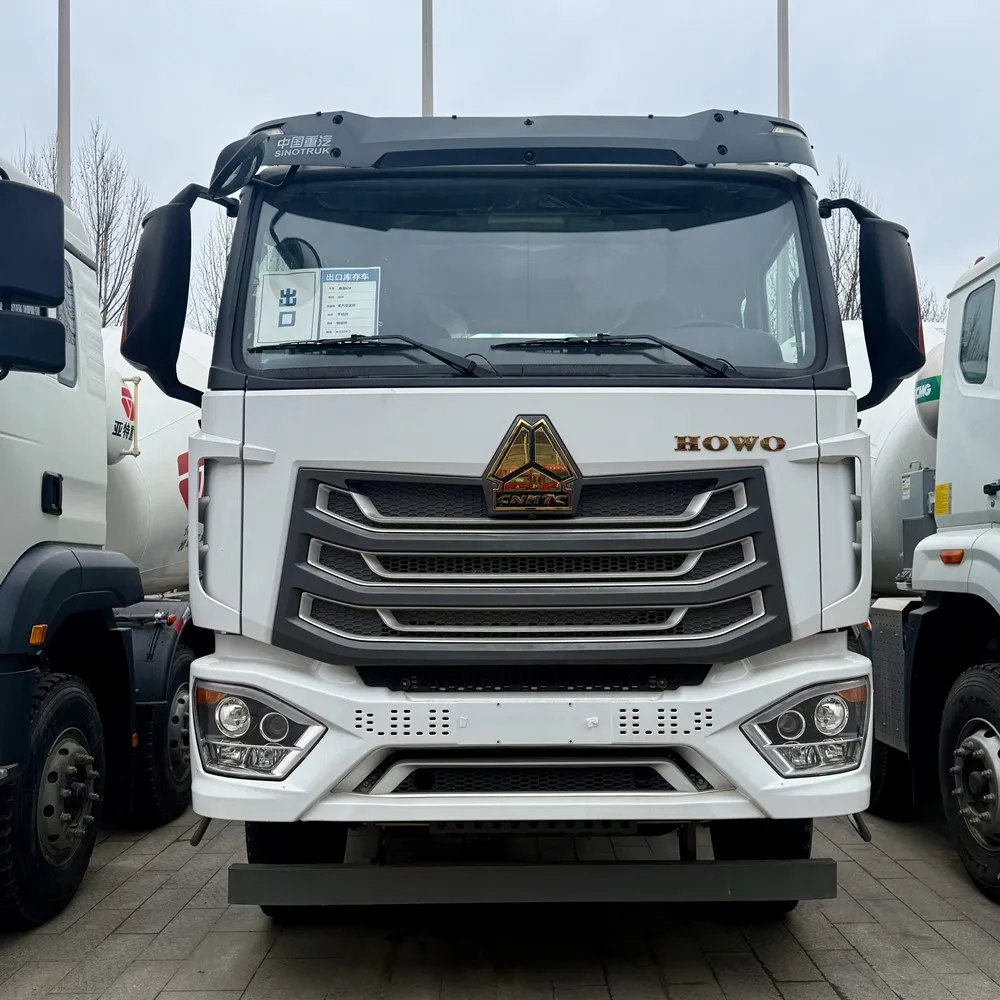
Structural Design Differences
The most visually apparent distinction between a tractor unit and a rigid truck lies in their "physical anatomy":
Tractor Unit: The cab exists as a standalone unit, connecting to a trailer via a fifth-wheel coupling-resembling a locomotive pulling a train of carriages.
Rigid Truck: The cab and cargo box are permanently integrated into a single unit-much like an SUV with its own built-in luggage compartment.
Power Output: The engine power of a tractor unit is typically 20% to 30% higher than that of a rigid truck in the same class.
Comparison of Use Cases
These "transportation siblings" excel in entirely different operational domains:
Long-Haul Logistics: The tractor unit + semi-trailer combination commands an 80% market share, making it ideal for transport distances exceeding 300 kilometers.
Urban Distribution: Box trucks offer superior agility for navigating residential neighborhoods and narrow alleyways, facilitating more convenient loading and unloading.
Specialized Transport: Oversized cargo (such as extra-long items) necessitates the use of flatbed trailers, while the transport of hazardous materials typically relies on enclosed trucks.
Functional Distinctions
When making a selection, pay close attention to these key characteristics:
Load Capacity: A six-axle tractor-trailer combination can achieve a maximum payload of up to 49 tons, whereas standard rigid trucks typically have a limit of 18 tons or less.
Maneuverability: Rigid trucks feature a smaller turning radius, whereas tractor units require significantly more operational space to execute turns.
Cost Structure: The tractor unit (cab) can be replaced independently, whereas a rigid truck must be retired and replaced as a complete, integrated vehicle.