Common Weight Capacity Ranges for Trucks
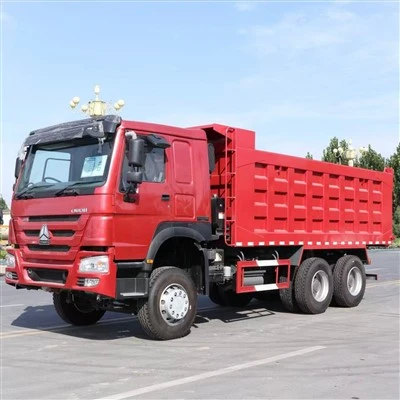
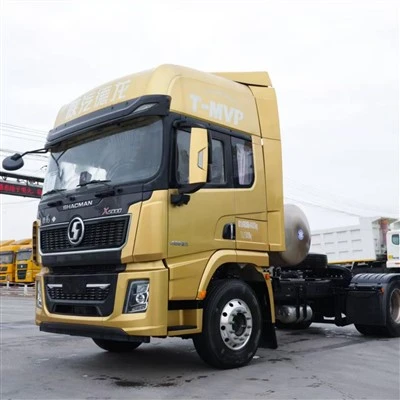
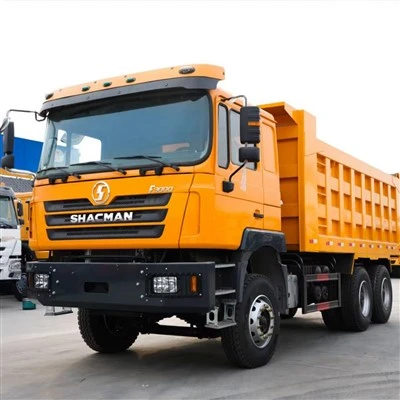
Trucks act as the "strongmen" of the road, yet the "strength" of different models varies significantly. Light-duty trucks (such as urban delivery vehicles) typically carry 2 to 5 tons of cargo; medium-duty trucks (used for regional logistics) have a load capacity ranging from 8 to 15 tons; while heavy-duty trucks (designed for long-haul transport) can effortlessly haul between 20 and 50 tons. The most extreme examples are mining dump trucks, which boast a payload capacity exceeding 300 tons-equivalent to the combined weight of 200 passenger cars! However, even these "strongmen" have their limits; overloading not only shortens tire lifespan but can also cause the braking system to "go on strike."
Key Factors Influencing Load Capacity
A truck's load capacity is not merely a numbers game; rather, it is a "team effort" determined by the interplay of multiple components. The engine acts as the vehicle's "heart"-the greater its power output, the heavier the cargo it can propel. The chassis structure serves as the "skeleton"; frames constructed from high-strength steel can bear heavier loads without deforming. The tires function as the vehicle's "feet"; a wide-tire design helps distribute pressure, preventing blowouts caused by excessive weight. Furthermore, the material of the cargo box influences load capacity-aluminum alloy cargo boxes are 30% lighter than their steel counterparts, allowing for the transport of a greater volume of goods without exceeding legal weight limits.
How to Optimize Load Capacity Utilization
Loading cargo is not a crude task where "the higher you stack it, the better"; instead, it is a technical discipline requiring scientific calculation. First and foremost, ensure that the total weight of the cargo does not exceed the vehicle's rated payload capacity; failure to do so risks incurring fines and creating serious safety hazards. Second, cargo distribution must be uniform; an off-center center of gravity can compromise vehicle stability during transit and even trigger rollover accidents. Finally, special cargo requires special handling: liquid loads must be secured using baffle plates to prevent sloshing; precision instruments require the installation of shock-absorbing mounts; and perishable goods necessitate the use of refrigeration equipment. Proper loading practices not only enhance transport efficiency but also extend the operational lifespan of the vehicle.